






Multi-hand blackjack changes everything about traditional decision-making. In this blackjack strategy guide, we explore how optimal double-down decisions shift when you’re managing three active hands instead of one. At Joka Casino, live blackjack tables introduce faster pacing, deeper decision layers, and higher cognitive load.
Before diving into strategy, players can explore the platform directly here: https://www.jokacasino.live. This helps contextualise how live dealer environments are structured, especially in multi-hand formats.
In this blackjack strategy guide, we focus on how double down logic must adapt when you’re not just playing one hand against the dealer, but juggling multiple simultaneous positions. That alone changes risk exposure dramatically.
We also examine how timing, dealer speed, and card distribution influence decision pressure. Moreover, multi-hand layouts force players to think in probability clusters rather than isolated outcomes.
For those interested in game variety and structure, the casino’s live offerings can be viewed here: https://www.jokacasino.live/casino-games. This includes multiple blackjack variants that support multi-hand gameplay.
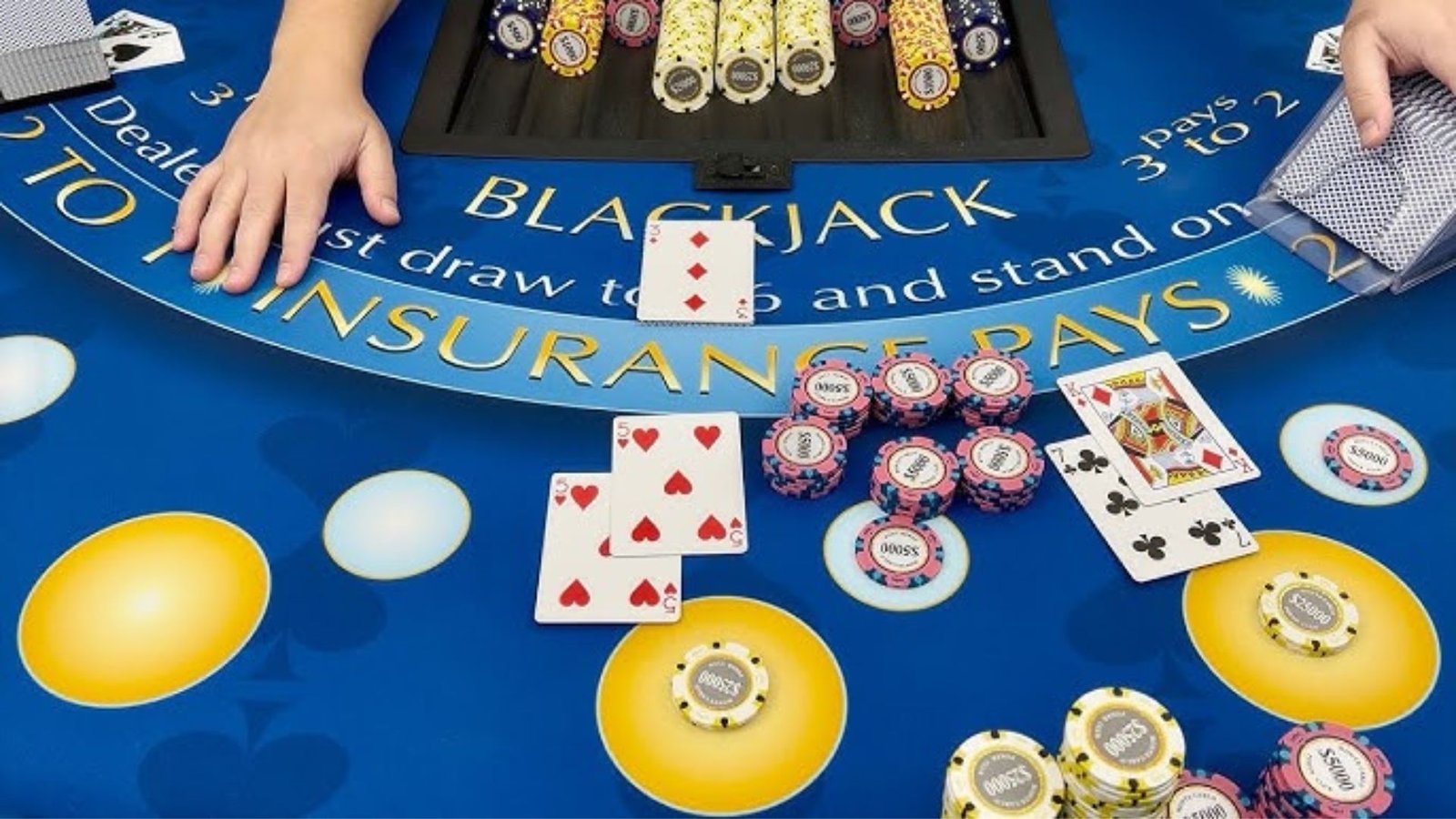
Understanding Multi-Hand Blackjack Dynamics
Traditional blackjack strategy assumes a single decision path per round. However, this blackjack strategy guide shows that multi-hand formats introduce overlapping risk zones.
When playing three hands at once, each decision affects overall bankroll exposure. Moreover, doubling down on multiple hands increases variance significantly.
In live environments, the dealer operates on a fixed rhythm. Therefore, players must make faster, more structured decisions.
Key Differences in Multi-Hand Play
- Three independent hands per round
- Shared dealer outcome exposure
- Increased decision compression
- Higher bankroll volatility
However, the mathematical house edge remains unchanged per hand. The difference lies in exposure scaling, not game fairness.
When to Double Down in Multi-Hand Scenarios
Double down decisions are already critical in single-hand blackjack. In this blackjack strategy guide, we examine how these decisions shift under multi-hand pressure.
Normally, doubling down is based on strong starting totals like 10 or 11. However, in multi-hand play, simultaneous doubling can amplify risk beyond optimal thresholds.
Moreover, players must evaluate correlation risk between hands. If all three hands double down in similar positions, variance spikes sharply.
Standard Double Down Triggers
- Player total of 11 vs weak dealer card
- Soft 16–18 depending on rules
- Dealer showing 5 or 6 in many cases
However, applying all triggers across three hands at once is rarely optimal.
Risk Scaling Across Three Active Hands
One of the most overlooked aspects in this blackjack strategy guide is how risk compounds across multiple positions.
Each hand is statistically independent. However, bankroll impact is cumulative. Therefore, three aggressive doubles can triple exposure in a single round.
Moreover, variance clustering becomes more pronounced. Losing all three hands simultaneously is rare individually, but more common when actions are mirrored.
Exposure Breakdown Example
- Hand 1: Double down
- Hand 2: Double down
- Hand 3: Stand
This mixed approach reduces correlated risk while maintaining upside potential.
Dealer Pace and Decision Compression
Live blackjack introduces time pressure that influences strategic accuracy. In this blackjack strategy guide, we highlight how dealer speed affects double down execution.
Dealers in live studios maintain consistent pacing. However, multi-hand players must process three decisions within the same window.
Moreover, hesitation can lead to missed optimal plays. Therefore, preparation before the round becomes essential.
Key Pressure Points
- Limited decision time per hand
- Simultaneous outcome tracking
- Increased mental load under live conditions
However, experienced players mitigate this through pre-defined strategy frameworks.
Adjusting Strategy for Optimal Double Down Use
Instead of treating each hand independently, advanced players group decisions. This blackjack strategy guide recommends structured risk allocation.
For example, instead of doubling all three hands, players can assign roles:
- Conservative hand (stand strategy)
- Balanced hand (conditional double)
- Aggressive hand (full double exposure)
Moreover, this reduces bankroll shock during negative variance runs.
Strategic Framework Benefits
- Reduced bankroll volatility
- Controlled exposure per round
- Improved decision clarity
- Lower emotional decision bias
Therefore, structured play often outperforms instinctive multi-hand aggression.
Mathematical Impact of Multi-Hand Doubling
From a probability standpoint, doubling down increases variance but not expected value unless correctly applied. In this blackjack strategy guide, we break down how scaling affects outcomes.
Each hand carries its own expectation. However, correlation risk increases when actions are identical across hands.
Moreover, bankroll depletion risk rises faster than win probability gains.
Key Mathematical Insight
- Expected value remains stable per hand
- Variance multiplies with simultaneous doubling
- Bankroll survival depends on distribution balance
Therefore, controlled selection matters more than aggressive execution.
Common Mistakes in Multi-Hand Double Down Play
Many players misinterpret multi-hand blackjack as a faster path to profit. However, this blackjack strategy guide highlights frequent errors that reduce long-term performance.
One major mistake is doubling all hands without differentiation. Another is reacting emotionally to early wins or losses.
Moreover, players often ignore dealer strength when committing across multiple hands.
Typical Errors Include
- Over-doubling identical hands
- Ignoring dealer upcard pressure
- Chasing losses across all positions
- Lack of pre-planned strategy structure
However, disciplined frameworks significantly reduce these errors.
Building a Controlled Multi-Hand Strategy
Effective multi-hand blackjack requires structured discipline. This blackjack strategy guide suggests building a fixed decision model before entering live tables.
Players should pre-define:
- When to double per hand type
- Maximum simultaneous exposure limit
- Stop-loss per session
- Hand role assignment system
Moreover, consistency is more important than occasional aggressive wins.
Final Thoughts
Multi-hand blackjack is not simply faster blackjack—it is amplified decision-making. In this blackjack strategy guide, we explored how double down logic must evolve when managing multiple simultaneous positions.
Joka Casino’s live blackjack tables reflect modern gameplay complexity, where speed, structure, and risk control define outcomes more than intuition.
Moreover, players who separate hands into strategic roles tend to achieve more stable results over time.
Author
Written by Winfred